
Eye Diseases
Glaucoma Early Detection, Diagnostic Methods, and Treatment Strategies
Vision loss is often linked to noticeable symptoms like blurred vision or discomfort. However, some eye conditions develop silently, without early warning signs. One such condition is glaucoma, commonly known as the “silent thief of sight.”
Introduction
Vision loss is often linked to noticeable symptoms like blurred vision or discomfort. However, some eye conditions develop silently, without early warning signs. One such condition is glaucoma, commonly known as the "silent thief of sight."
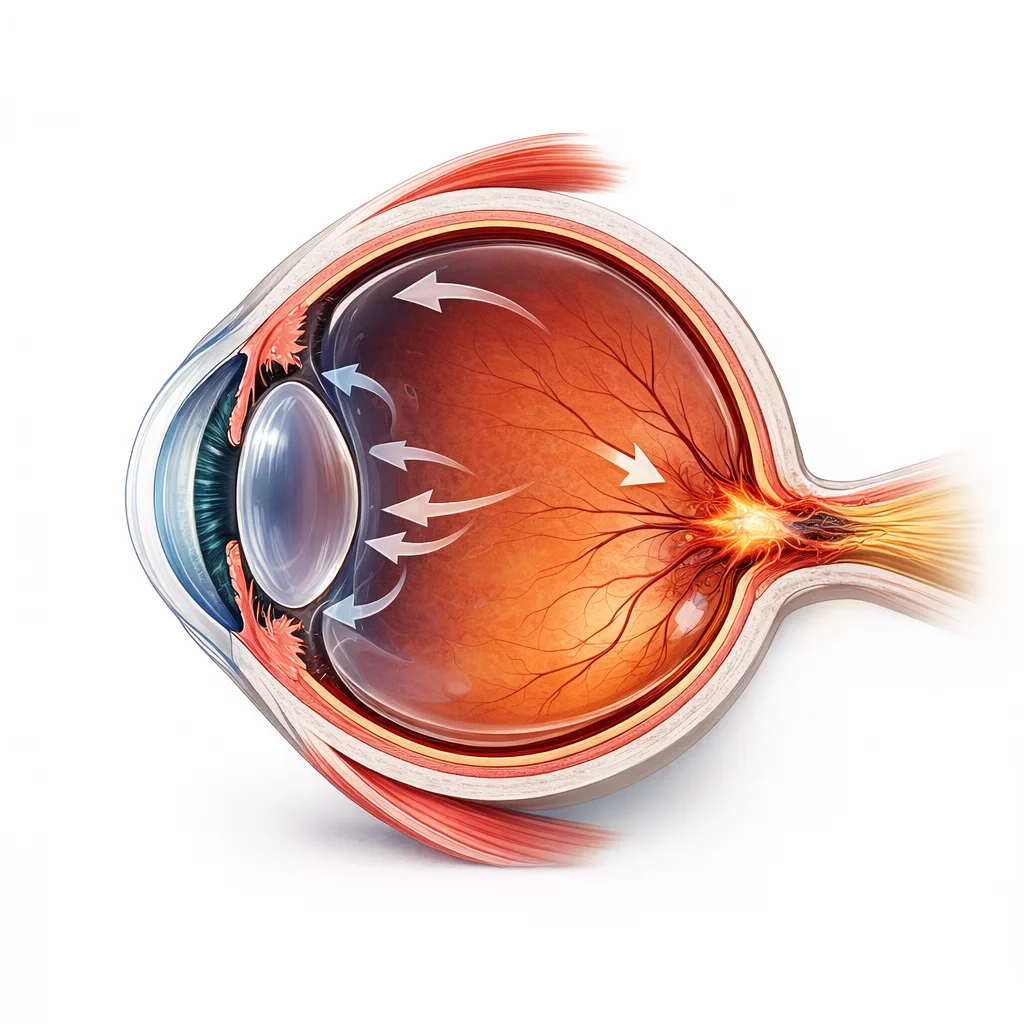
Glaucoma is a group of eye disorders that damage the optic nerve, usually due to increased pressure inside the eye. What makes it serious is that vision loss happens gradually and often goes unnoticed until it becomes significant.
The good news is that early diagnosis and proper treatment can help control glaucoma effectively. At Annapoorna Eye Hospital, advanced technology and expert care support early detection and long-term vision protection.
Symptoms
In its early stages, glaucoma may not show clear symptoms. As it progresses, you may notice:
- •Gradual loss of side (peripheral) vision
- •Blurred vision in later stages
- •Difficulty adjusting to low light
- •Seeing halos around lights
- •Eye pain (in certain types)
- •Redness in the eyes
- •Headaches or pressure around the eyes
- •Sudden vision loss in severe cases
Because these signs can be mild or absent at first, many people are unaware of the condition until damage has already occurred.
Causes & Conditions
Glaucoma develops when fluid builds up inside the eye, increasing pressure and damaging the optic nerve.
Common types include:
- •Open-Angle Glaucoma: The most common type, developing slowly without early symptoms
- •Angle-Closure Glaucoma: A sudden and severe condition requiring immediate care
- •Normal-Tension Glaucoma: Optic nerve damage occurs even with normal eye pressure
Risk factors:
- •Age above 40
- •Family history of glaucoma
- •Diabetes or high blood pressure
- •Long-term steroid use
- •Previous eye injuries or conditions
Understanding these factors helps in early screening and prevention.
Diagnosis
Early detection is key, as glaucoma often develops without noticeable symptoms. Regular eye check-ups can identify the condition before vision loss occurs.
At Annapoorna Eye Hospital, diagnosis includes:
- •Tonometry: Measures eye pressure
- •Optic nerve examination: Detects early damage
- •Visual field test: Checks peripheral vision
- •Corneal thickness measurement: Improves accuracy of diagnosis
- •Advanced imaging scans: Provide detailed eye analysis
These tests help detect glaucoma early and allow timely treatment.
Treatments
Although glaucoma damage cannot be reversed, treatment can slow or stop further vision loss. The focus is on reducing eye pressure and protecting the optic nerve.
Treatment options include:
- 1. Medicated Eye Drops
- •First line of treatment
- •Help lower eye pressure
- •Must be used regularly
- 2. Oral Medications
- •Used when additional control is needed
- 3. Laser Treatment
- •Improves fluid drainage
- •Quick and minimally invasive
- 4. Surgical Procedures
- •Recommended in advanced cases
- •Creates new drainage pathways to reduce pressure
Conclusion
Glaucoma is a serious condition that often develops without warning. Because vision loss is gradual and painless, it can go unnoticed until it becomes permanent.
However, with early diagnosis and proper treatment, its progression can be effectively controlled. Regular eye check-ups play a vital role in protecting your vision.
If you or your loved ones are at risk, don't wait for symptoms. Early action can help preserve your vision for the future.
Related Articles
View AllEye Checkup
Importance of Regular Eye Checkups
Healthy vision is essential for performing everyday activities such as reading, working, and driving.
Eye Care & Wellness
Common Eye Problems and How to Prevent Them
Eye problems are common and can affect people of all ages. Lifestyle habits, aging, environmental factors, and excessive screen …
Eye Care & Wellness
Digital Eye Strain: Causes and Prevention
Digital devices such as computers, smartphones, and tablets are widely used today, but excessive screen time can cause digital …